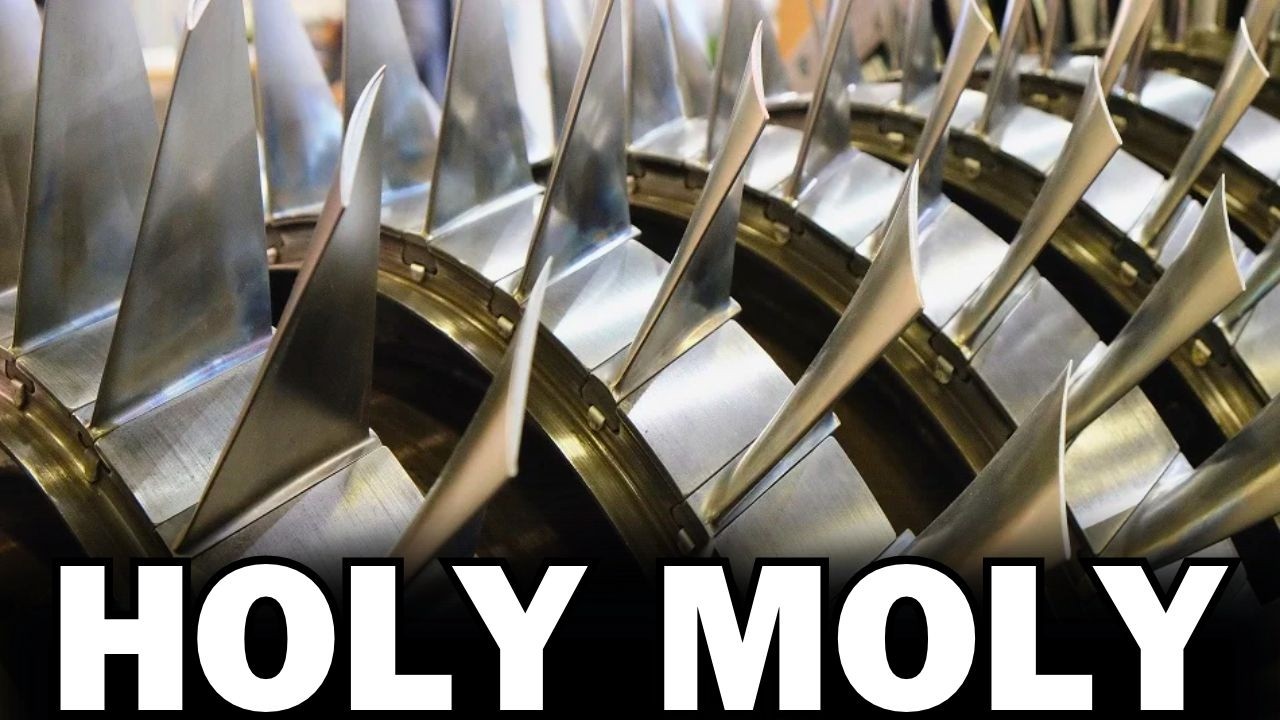
Elon Musk's New Obsession Is Actually Crazy
Title history
- Elon Musk's New Obsession Is Actually Crazy — observed on 20261110-0244 UTC (YouTube)
- SpaceX's New Obsession Is Actually Crazy — observed on 20261026-1126 UTC (YouTube)
Keywords
Summary
199 words
Critical Evaluation
Value of the Information & Strength of the Argument
The video’s value lies in its detailed, accessible explanation of a highly specialized manufacturing process and its strategic significance for AI infrastructure. It convincingly argues that turbine blade production is a critical bottleneck by connecting physical metallurgy to business outcomes. The argumentation is solid, using concrete numbers (1.7 GW, 13 GW, 12–18 months delay) and referencing credible sources like GE Vernova, Siemens, and the Department of Energy. The creator, a former Tesla employee, brings domain knowledge, and the reasoning follows a clear chain from the last-part problem to the potential of in-house casting.
Scientific Rigor, Source Quality, Title Accuracy
The video demonstrates scientific rigor by explaining technical concepts accurately and citing industry statements and reports. It distinguishes between established facts and unverified claims, notably SpaceX’s qualification status. The sources are credible, though the video relies heavily on public statements and lacks independent verification of SpaceX’s progress. The title, though sensational, is appropriate as it highlights the surprising nature of SpaceX’s pivot to turbine blades.
173 words
Title / Content Match
The title is somewhat sensational but accurately reflects the video's focus on SpaceX's unexpected involvement in turbine blade manufacturing for AI data centers.
Quality & Reliability
8/10
The video provides a detailed and technically accurate explanation of gas turbine blade manufacturing, citing reputable sources such as the Department of Energy and industry statements from GE Vernova and Siemens. However, some claims about SpaceX's capabilities remain unverified.
Chapters
Cited Sources
- Master Plan: What Elon Musk is Actually Building — Book by Farzad, referenced as further reading.
- Abundance or Collapse — Book by Farzad, referenced as further reading.
- Farzad's website — Author's website for additional content.
- Why SpaceX is learning how metal freezes — Newsletter article related to the video.
External References
Contribution & Novelties
The video offers a unique perspective by linking the highly specialized field of single-crystal turbine blade casting to the operational demands of AI data centers, a connection rarely explored in mainstream analyses. It breaks down the manufacturing complexity into understandable components and places SpaceX’s move within the broader competitive landscape of AI power procurement. The treatment of the ’last part problem’ and the emphasis on the metallurgical challenges provide fresh insights into supply chain constraints.
Pour aller plus loin :
- Single crystal superalloy — Explains the material class and its role in turbine blades.
- Directional solidification — Describes the solidification technique central to blade manufacturing.
- Gas turbine — Overview of how gas turbines work, including blade function.
117 words
Radar Profile
The radar profile shows high scores across all dimensions, particularly in quantity of information and technical depth, indicating a well-researched and detailed presentation. The reliability score is slightly lower due to some unverified claims about SpaceX's progress, reflecting a careful balance between technical rigor and speculation.
💬 Sur les 30 commentaires analysés, le climat est très positif. Les spectateurs, y compris des professionnels de l'industrie, saluent la clarté et la précision technique de la vidéo, avec des éloges pour l'explication détaillée des processus de fabrication des aubes de turbine.