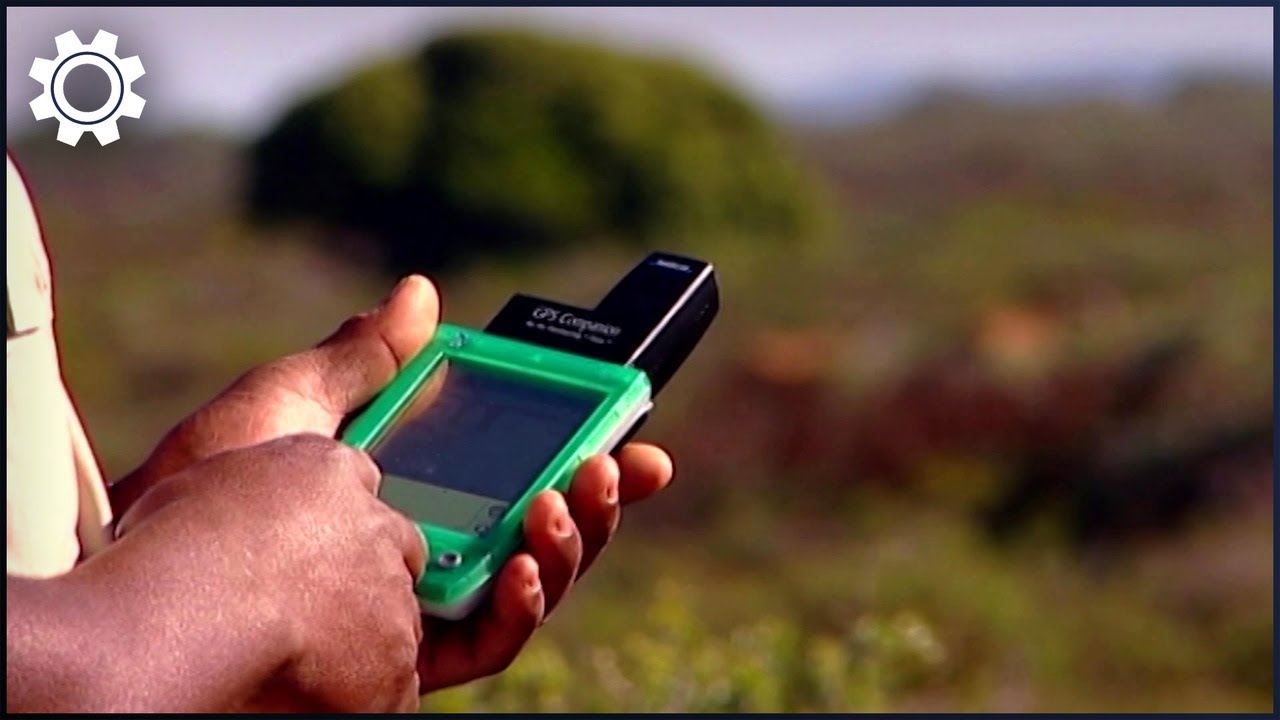
Tracking Juanib Valley Desert Elephants with Cyber Tracker
Keywords
Summary
159 words
Critical Evaluation
Value of the Information & Strength of the Argument
The documentary provides significant value in showcasing a practical integration of traditional knowledge with high-tech tools, effectively arguing that such synergy enhances conservation efforts. It presents concrete examples—the CyberTracker’s icon interface enabling data collection by non-literate trackers, and GPS collars revealing elephant ranges—that substantiate the thesis. The argumentation is solid, supported by expert testimonies and real data from ongoing studies, though it sometimes leans on anecdotal evidence and lacks quantitative comparisons. The strength lies in demonstrating how these technologies directly contribute to species management and community engagement, while also acknowledging limitations like aerial count accuracy debates.
Scientific Rigor, Source Quality, Title Accuracy
The scientific rigor is moderate: the documentary includes interviews with practicing scientists and shows actual fieldwork, but it omits peer-reviewed references and does not detail data analysis methods. Sources are primarily the experts themselves, with no external citations in the video or description, limiting verifiability. The title is largely adequate—it highlights the elephant tracking with CyberTracker, which is a major segment—but the content also covers cheetah studies, making it broader than the title implies. No user comments were provided, so public reception cannot be assessed.
196 words
Title / Content Match
The title accurately reflects the focus on elephant tracking via CyberTracker, though the documentary also covers cheetah research and broader technology applications, making the scope slightly wider than implied.
Quality & Reliability
7/10
The documentary features interviews with experts such as Dr. Keith Leggett and the CyberTracker founder, presenting credible information from ongoing field studies. However, it is produced for a general audience and lacks detailed citations, slightly limiting its scientific depth.
Key Moments
Markers derived by PSI from the transcript: the creator did not define chapters.
- Introduction of CyberTracker system and founder's inspiration from hunting with San trackers.
- Demonstration of icon-based interface for non-literate trackers to log detailed field data.
- Dr. Keith Leggett's elephant collaring operation in Namibia: tranquilizing and fitting GPS collars.
- Insights from GPS data on elephant movements, home ranges, and satellite data transmission via Perth base station.
- Cheetah study in Serengeti: identification by spot patterns using software, and discussion of cub mortality rates.
Contribution & Novelties
The video’s original contribution lies in illustrating the pioneering CyberTracker system as a bridge between ancestral tracking knowledge and modern digital data collection, with potential applications for climate-change monitoring at ecosystem scale. It offers a compelling case for how non-literate trackers can become citizen scientists, while also presenting vivid examples of GPS telemetry and photographic identification in conservation. The documentary is unique in combining these threads within a single narrative, though it does not present new primary research.
Pour aller plus loin :
- CyberTracker — Detailed background on the software and its development.
- Desert elephant — Ecological characteristics and conservation status of these elephants.
- Cheetah — Overview of cheetah biology, threats, and conservation efforts.
114 words
Radar Profile
The radar profile shows high scores for information quantity and quality, moderate for technical depth, and slightly lower for reliability. This reflects a well-illustrated documentary with credible but not deeply technical content, appropriate for a general audience.