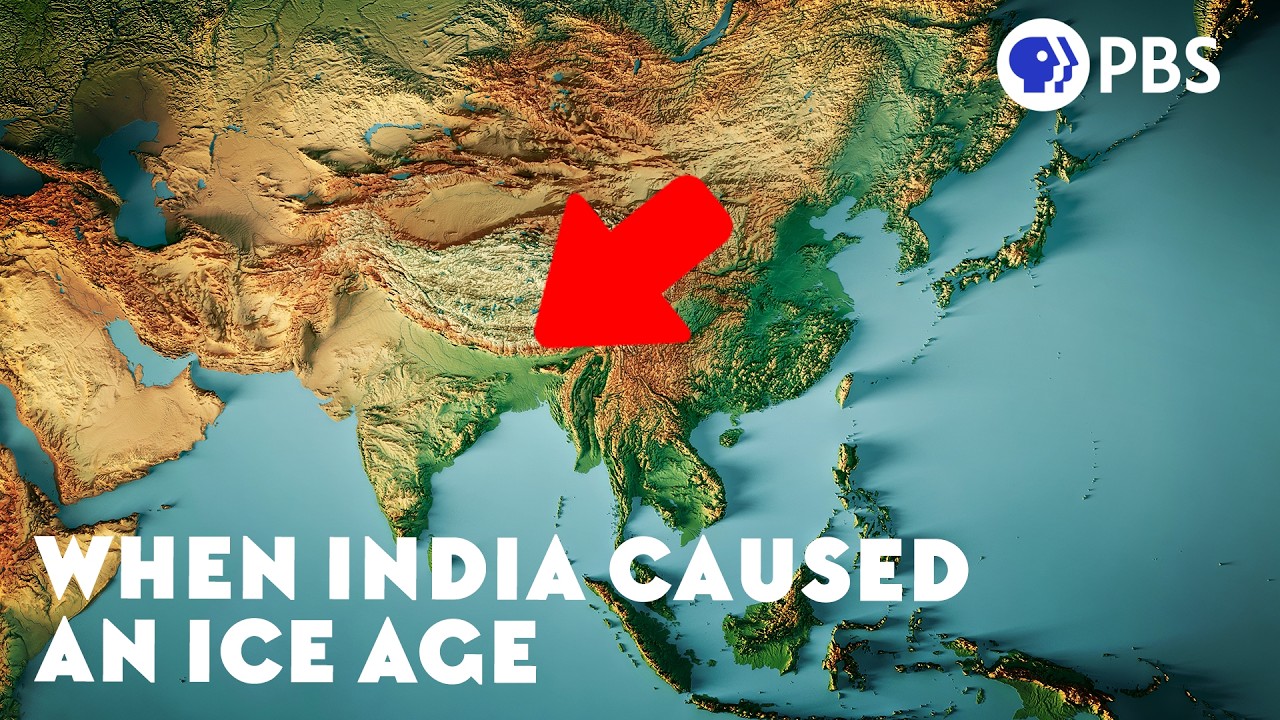
The Biggest Extinction You’ve Never Heard Of
Keywords
Summary
148 words
Critical Evaluation
Value of the Information & Strength of the Argument
The video provides significant educational value by shedding light on a lesser-known but crucial extinction event, connecting it to on-going climate change and our own evolutionary history. The argumentation is sound and well-structured: it begins with the historical discovery, builds evidence from multiple lines of research (micropaleontology, isotope geochemistry, and tectonic reconstructions), and culminates in a plausible causal chain. Each step is logically linked, and the video clearly distinguishes established facts from hypotheses, such as the exact role of various factors. The use of vivid animations and clear explanations enhances understanding without oversimplifying the science.
Scientific Rigor, Source Quality, Title Accuracy
The video demonstrates high scientific rigor, referencing a comprehensive document of sources in the description. It consistently relies on peer-reviewed research, including studies from 1973, 1998, 2009, and 2021, and accurately represents their findings. The sources, though not cited individually on-screen, are accessible and allow viewers to verify the claims. The title is apt, as the content truly addresses a major yet often overlooked extinction event. The structure and pacing ensure that the title’s promise is fulfilled, with a clear focus on the event’s significance and causes.
197 words
Title / Content Match
The title is highly appropriate, as it highlights a major extinction event that is indeed underappreciated, and the content directly addresses this event's causes and consequences.
Quality & Reliability
9/10
The video is thoroughly researched, synthesizing findings from multiple peer-reviewed studies, and is presented by a reputable educational channel. It accurately explains complex scientific concepts and acknowledges uncertainties while building a coherent narrative.
Key Moments
Markers derived by PSI from the transcript: the creator did not define chapters.
- Stehlin's discovery of La Grande Coupure and the naming of the event
- Glomar Challenger drilling for foraminifera cores
- Oxygen-18 isotope evidence for cooling and ice build-up
- Gobi Desert findings linking Asia to the extinction
- Boron isotope analysis showing CO2 drop at the boundary
- India's role: subduction shut-off and silicate weathering
- Anthropoid bottleneck: only one tooth type remained
- 2021 discovery that Africa was also severely affected
Cited Sources
- References document — List of scientific references cited in the video, accessible via the description.
External References
Contribution & Novelties
The video synthesizes recent research, particularly the 2021 study on African extinctions, and presents a cohesive narrative that ties together disparate scientific findings. It offers viewers a comprehensive understanding of an extinction event that is rarely covered in popular media. The video’s originality lies in its ability to connect the Deccan Traps, India’s tectonic journey, and silicate weathering to the global cooling at the Eocene-Oligocene boundary.
Pour aller plus loin :
- Grande Coupure — Provides historical context and definition of the term.
- Eocene-Oligocene extinction event — Overview of the extinction and its characteristics.
- Silicate weathering — Explains the chemical process that draws down CO2.
- Deccan Traps — Details the volcanic province that played a role in the event.
118 words
Radar Profile
The radar profile shows high scores in information quality and reliability, with a slightly lower but still strong score for technical depth, indicating an excellent balance between accessibility and scientific robustness.
💬 Based on the 30 comments analyzed, the sentiment is overwhelmingly positive, with viewers expressing enthusiasm, requesting related topics, and adding humorous remarks.