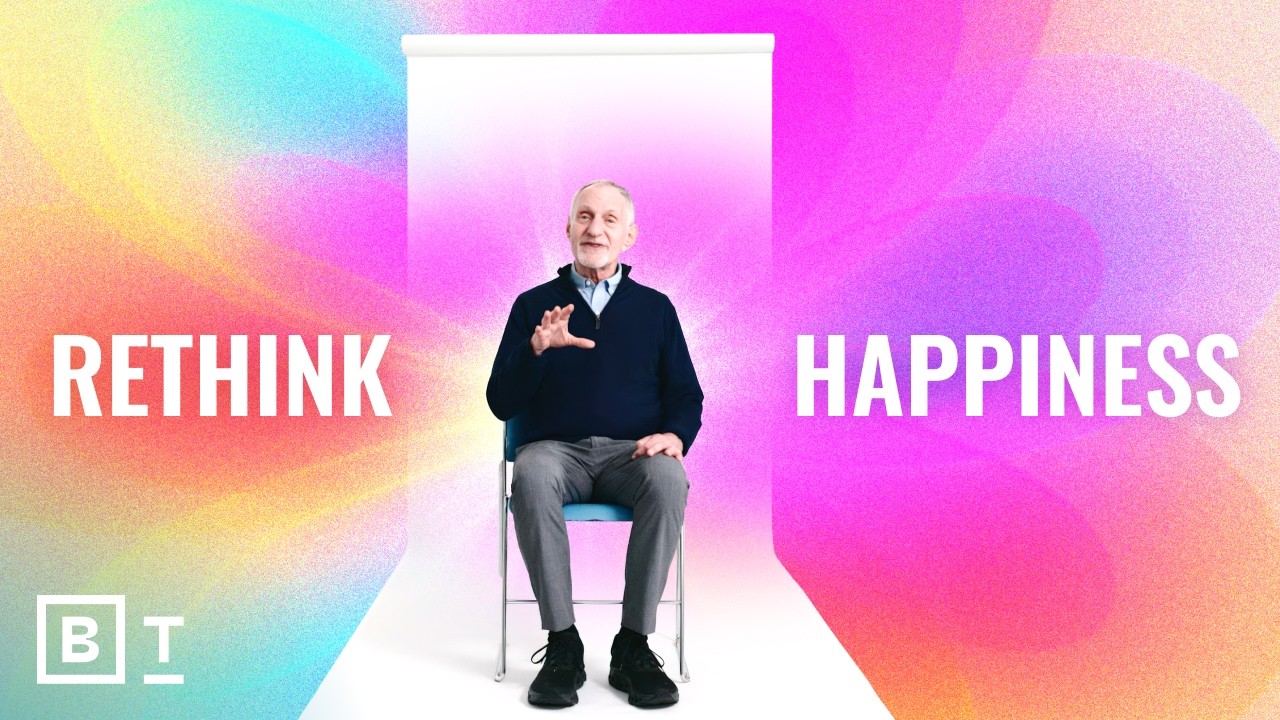
What 85 years of research says is the real key to happiness | Robert Waldinger: Full Interview
Keywords
Summary
179 words
Critical Evaluation
Value of the Information & Strength of the Argument
The interview provides substantial value by presenting findings from the longest-running study on adult development, offering evidence-based insights into the importance of relationships for well-being. Waldinger’s arguments are well-structured and supported by both the study’s data and broader scientific research, such as the effects of stress on the body. He effectively communicates complex ideas in an accessible manner, making the information applicable to everyday life. The discussion of social fitness and practical strategies for improving relationships adds actionable value. The argumentation is solid, though some points, such as the 50% genetic set point for happiness, are presented without deep critical analysis. Overall, the content is informative and persuasive, backed by credible research.
Scientific Rigor, Source Quality, Title Accuracy
The scientific rigor is high, as the content is based on the Harvard Study of Adult Development, a well-respected longitudinal study. Waldinger cites specific findings and references other research, such as the work of Sonja Lyubomirsky, to support his claims. The sources are credible and relevant. The title accurately reflects the content, as the interview indeed focuses on the key to happiness based on 85 years of research. The video is well-structured with clear chapters, enhancing its reliability. The public comments are largely positive, with many viewers sharing personal anecdotes that resonate with the study’s findings, indicating a strong connection with the audience.
230 words
Title / Content Match
The title accurately reflects the content: a full interview with Robert Waldinger about the key to happiness based on 85 years of research.
Quality & Reliability
8/10
The content is based on the Harvard Study of Adult Development, a long-running longitudinal study, and is presented by its director, a Harvard professor. The information is well-supported by scientific evidence, though some claims are simplified for a general audience.
Chapters
- Part 1: Happiness. How did you get into psychiatry?
- What is your research about?
- How much control do we have over our happiness?
- How do relationships affect happiness?
- How do childhood experiences impact happiness?
- How does evolutionary biology influence our happiness?
- How do relationships impact physical health?
- What is social fitness?
- How do I maintain healthy relationships?
- How can I evaluate my social fitness?
- How does mapping my social universe contribute to my wellbeing?
- If a relationship is depleting, what should I do?
- How many close friends do I need?
- What is your study's primary discovery?
- What is your background with Zen?
- How does Zen shape relationships?
- What is the goal of Zen?
- Why is impermanence helpful to consider?
- How might the Four Noble Truths improve relationships?
- How does understanding attachment help guide my relationships?
- How does a "beginner's mind" benefit my relationships?
- What is mindfulness and how do I cultivate it?
- How does recognizing suffering improve relationships?
- How does "metta" aid relationships?
- What is enlightenment?
- Do we have a loneliness epidemic?
- What’s the difference between loneliness and isolation?
- How does loneliness harm us physically?
- What fundamental need do relationships satisfy?
- Is our happiness only dictated by our close connections?
- What can I do to lessen loneliness?
Cited Sources
- Big Think Membership — Promotional link for Big Think membership.
- Big Think+ for Business — Promotional link for Big Think+ business solutions.
- Video transcript — Link to the full transcript of the interview.
- Up next: Harvard professor’s 6-step guide to Zen Buddhism — Suggested next video on Zen Buddhism.
Concurring Sources
- Harvard Study of Adult Development — The study is the basis for the interview's claims.
- Sonja Lyubomirsky's research on happiness — Her work on the determinants of happiness is cited in the interview.
Contribution & Novelties
The interview offers a comprehensive synthesis of the Harvard Study of Adult Development’s findings, emphasizing the central role of relationships in well-being. It introduces the concept of ‘social fitness’ as a practical framework for maintaining connections. The integration of Zen principles into the discussion of relationships provides a unique perspective, bridging scientific research with contemplative practices. The interview also addresses the loneliness epidemic, offering both scientific and practical insights.
Pour aller plus loin :
- Harvard Study of Adult Development — The longest-running study on adult life, providing the foundation for the interview’s claims.
- Sonja Lyubomirsky — Her research on happiness and the 50% set point is referenced in the interview.
- Loneliness and social isolation — The interview discusses the health impacts of loneliness, a topic covered in this article.
- Mindfulness — The interview discusses mindfulness as a tool for improving relationships, a concept with extensive scientific literature.
147 words
Radar Profile
The radar profile shows high scores in quantity and quality of information, with a moderate technical level, indicating a well-balanced and accessible presentation. The reliability is high, reflecting the credibility of the source and the alignment with established research.
💬 Positif. Sur les 30 commentaires analysés, la majorité exprime un accord avec les conclusions de l'étude et partage des expériences personnelles, bien que certains soulignent des difficultés à appliquer ces conseils dans des situations de solitude ou de relations toxiques.